Health insurance plans comparison

Health Insurance Plans Comparison :

Health insurance plan is most popular among insurance plan. We have to ensure health insurance during every situation of a mans life. Lets learn more about health life insurance plan.

Health insurance plans are contractual agreements between individuals or groups and insurance companies designed to provide financial coverage for medical expenses and healthcare services. These plans help individuals manage the costs associated with medical care by spreading the financial risk across a large pool of policyholders.


Here are key components and features typically found in health insurance plans: Premium: The amount paid periodically (usually monthly) by the policyholder to maintain coverage. Deductible: The amount the policyholder must pay out-of-pocket for covered medical services before the insurance company begins to contribute. Co-payment (Co-pay): A fixed amount the policyholder pays for a covered healthcare service at the time of receiving care, often for services like doctor visits or prescription medications. Co-insurance: The percentage of costs for covered healthcare services that the policyholder must pay after meeting the deductible. Out-of-pocket maximum (OOPM): The maximum amount the policyholder is required to pay for covered medical expenses during a specific period (usually one year), after which the insurance company covers 100% of additional costs. Network: Health insurance plans often have networks of healthcare providers (doctors, hospitals, clinics) with whom they have negotiated discounted rates. Staying within the network can result in lower out-of-pocket costs for the insured individual. Coverage Levels: Plans may offer different levels of coverage, such as Bronze, Silver, Gold, or Platinum, each with varying premiums, deductibles, and levels of cost-sharing. Types of Services Covered: Health insurance plans typically cover a range of healthcare services, including preventive care, hospitalization, emergency services, prescription drugs, and specialty care. Coverage may also extend to mental health services, maternity care, and rehabilitation services. Exclusions and Limitations: Health insurance plans may have exclusions or limitations on certain services or treatments, such as cosmetic procedures, experimental treatments, or elective surgeries. Pre-authorization: Some healthcare services may require pre-authorization from the insurance company before they are covered, particularly for elective surgeries or specialized treatments. Health insurance plans can be obtained through various sources, including employers, government programs (such as Medicare and Medicaid), health insurance marketplaces (such as the Affordable Care Act exchanges), or directly from insurance companies. The specific features, costs, and coverage options of each plan can vary widely, so it's important for individuals to carefully compare their options and select a plan that best meets their healthcare needs and financial circumstances.

Navigating the Maze: A Comprehensive Guide to Health Insurance Plans Comparison

In today's complex healthcare landscape, selecting the right health insurance plan can be akin to navigating a labyrinth. With a plethora of options available, each boasting unique features, coverage levels, and costs, consumers often find themselves overwhelmed and confused. However, armed with the right knowledge and understanding of how to compare health insurance plans effectively, individuals and families can make informed decisions that align with their healthcare needs and financial circumstances.

Understanding Health Insurance Basics

Before delving into the intricacies of health insurance plans comparison, it's crucial to grasp the fundamental concepts underlying health insurance.

1. Premiums: This is the amount you pay for your health insurance coverage, typically on a monthly basis.

2. Deductibles: The deductible is the amount you must pay out of pocket for covered healthcare services before your insurance plan starts to pay.

3. Co-payments and Co-insurance: These are the portions of the healthcare costs you are responsible for after you've paid your deductible. Co-payments are fixed amounts you pay for specific services, while co-insurance is a percentage of the cost you pay.

4. Networks: Health insurance plans often have networks of healthcare providers (doctors, hospitals, clinics) with whom they have negotiated discounted rates. Staying within your plan's network can result in lower out-of-pocket costs.

5. Coverage Levels: Plans vary in the types of services they cover, including preventive care, prescription drugs, specialist visits, and hospitalization. Understanding what each plan covers is essential for making an informed decision.

Steps to Compare Health Insurance Plans

  1. Assess Your Healthcare Needs: Start by evaluating your current health status and anticipated healthcare needs for the upcoming year. Consider factors such as regular medications, expected doctor visits, and any planned procedures or treatments.

  2. Review Plan Options: Obtain information on available health insurance plans, either through your employer, the Health Insurance Marketplace (if applicable), or private insurers. Take note of each plan's premiums, deductibles, co-payments, and coverage details.

  3. Compare Costs: While premiums are an important factor, it's essential to consider the total cost of each plan, including deductibles, co-payments, and co-insurance. Calculate the potential out-of-pocket expenses for different scenarios, such as routine check-ups, specialist visits, or emergencies.

  4. Evaluate Coverage Networks: Check whether your preferred healthcare providers participate in each plan's network. Assess the accessibility and quality of network providers, considering factors like proximity to your home, office, or preferred healthcare facilities.

  5. Consider Additional Benefits: Some health insurance plans offer additional benefits beyond basic medical coverage, such as dental, vision, or wellness programs. Evaluate these extras to determine their value and relevance to your needs.

  6. Review Prescription Drug Coverage: If you regularly take prescription medications, examine each plan's formulary (list of covered drugs) and associated costs, including co-payments or co-insurance for prescriptions.

  7. Understand Plan Limitations: Be aware of any limitations or exclusions in each plan, such as restrictions on certain treatments, pre-existing condition waiting periods, or coverage gaps for specific services.

Tools and Resources for Comparison

Several online tools and resources can aid in comparing health insurance plans:

  1. Health Insurance Marketplace: The official Marketplace website (e.g., Healthcare.gov in the United States) allows users to compare plans, estimate costs, and determine eligibility for subsidies or tax credits.

  2. Insurance Brokers: Independent insurance brokers can provide personalized assistance in navigating the insurance market and selecting the most suitable plan based on your needs and budget.

  3. Plan Summaries and Documents: Insurers typically provide detailed plan summaries and documents outlining coverage details, costs, and exclusions. Reviewing these materials can offer valuable insights into each plan's features.

  4. Customer Reviews and Ratings: Online reviews and ratings from current or past plan members can offer firsthand perspectives on the quality of service, provider networks, and overall satisfaction with different insurance plans.

Conclusion

Comparing health insurance plans may seem daunting at first, but with careful consideration of key factors such as costs, coverage, and network accessibility, you can make an informed decision that meets your healthcare needs and financial goals. Remember to reassess your insurance needs annually during open enrollment periods and adjust your coverage as necessary to ensure continued adequacy and affordability. By taking a proactive approach to health insurance planning, you can navigate the maze of options with confidence and peace of mind. Navigating the Maze: A Comprehensive Guide to Health Insurance Plans Comparison

In today's complex healthcare landscape, selecting the right health insurance plan can be akin to navigating a labyrinth. With a plethora of options available, each boasting unique features, coverage levels, and costs, consumers often find themselves overwhelmed and confused. However, armed with the right knowledge and understanding of how to compare health insurance plans effectively, individuals and families can make informed decisions that align with their healthcare needs and financial circumstances.


Understanding Health Insurance Basics

Before delving into the intricacies of health insurance plans comparison, it's crucial to grasp the fundamental concepts underlying health insurance.

1. Premiums: This is the amount you pay for your health insurance coverage, typically on a monthly basis.

2. Deductibles: The deductible is the amount you must pay out of pocket for covered healthcare services before your insurance plan starts to pay.

3. Co-payments and Co-insurance: These are the portions of the healthcare costs you are responsible for after you've paid your deductible. Co-payments are fixed amounts you pay for specific services, while co-insurance is a percentage of the cost you pay.

4. Networks: Health insurance plans often have networks of healthcare providers (doctors, hospitals, clinics) with whom they have negotiated discounted rates. Staying within your plan's network can result in lower out-of-pocket costs.

5. Coverage Levels: Plans vary in the types of services they cover, including preventive care, prescription drugs, specialist visits, and hospitalization. Understanding what each plan covers is essential for making an informed decision.

Steps to Compare Health Insurance Plans

  1. Assess Your Healthcare Needs: Start by evaluating your current health status and anticipated healthcare needs for the upcoming year. Consider factors such as regular medications, expected doctor visits, and any planned procedures or treatments.

  2. Review Plan Options: Obtain information on available health insurance plans, either through your employer, the Health Insurance Marketplace (if applicable), or private insurers. Take note of each plan's premiums, deductibles, co-payments, and coverage details.

  3. Compare Costs: While premiums are an important factor, it's essential to consider the total cost of each plan, including deductibles, co-payments, and co-insurance. Calculate the potential out-of-pocket expenses for different scenarios, such as routine check-ups, specialist visits, or emergencies.

  4. Evaluate Coverage Networks: Check whether your preferred healthcare providers participate in each plan's network. Assess the accessibility and quality of network providers, considering factors like proximity to your home, office, or preferred healthcare facilities.

  5. Consider Additional Benefits: Some health insurance plans offer additional benefits beyond basic medical coverage, such as dental, vision, or wellness programs. Evaluate these extras to determine their value and relevance to your needs.

  6. Review Prescription Drug Coverage: If you regularly take prescription medications, examine each plan's formulary (list of covered drugs) and associated costs, including co-payments or co-insurance for prescriptions.

  7. Understand Plan Limitations: Be aware of any limitations or exclusions in each plan, such as restrictions on certain treatments, pre-existing condition waiting periods, or coverage gaps for specific services.

Tools and Resources for Comparison

Several online tools and resources can aid in comparing health insurance plans:

  1. Health Insurance Marketplace: The official Marketplace website (e.g., Healthcare.gov in the United States) allows users to compare plans, estimate costs, and determine eligibility for subsidies or tax credits.

  2. Insurance Brokers: Independent insurance brokers can provide personalized assistance in navigating the insurance market and selecting the most suitable plan based on your needs and budget.

  3. Plan Summaries and Documents: Insurers typically provide detailed plan summaries and documents outlining coverage details, costs, and exclusions. Reviewing these materials can offer valuable insights into each plan's features.

  4. Customer Reviews and Ratings: Online reviews and ratings from current or past plan members can offer firsthand perspectives on the quality of service, provider networks, and overall satisfaction with different insurance plans.

Conclusion

Comparing health insurance plans may seem daunting at first, but with careful consideration of key factors such as costs, coverage, and network accessibility, you can make an informed decision that meets your healthcare needs and financial goals. Remember to reassess your insurance needs annually during open enrollment periods and adjust your coverage as necessary to ensure continued adequacy and affordability. By taking a proactive approach to health insurance planning, you can navigate the maze of options with confidence and peace of mind.

Auto insurance coverage options

 Auto insurance coverage is most popular among insurance method. Auto insurance is like a safety net for your car. Let's learn about it!

What is Auto Insurance Coverage :

Auto insurance coverage refers to the protection and financial assistance provided by an insurance policy in the event of damage to, or loss of, a vehicle. It is a contractual agreement between an individual or entity (the insured) and an insurance company (the insurer), where the insurer agrees to compensate the insured for specified risks associated with owning, operating, or using a vehicle.


Auto insurance coverage typically includes several components, each offering protection against different types of risks:

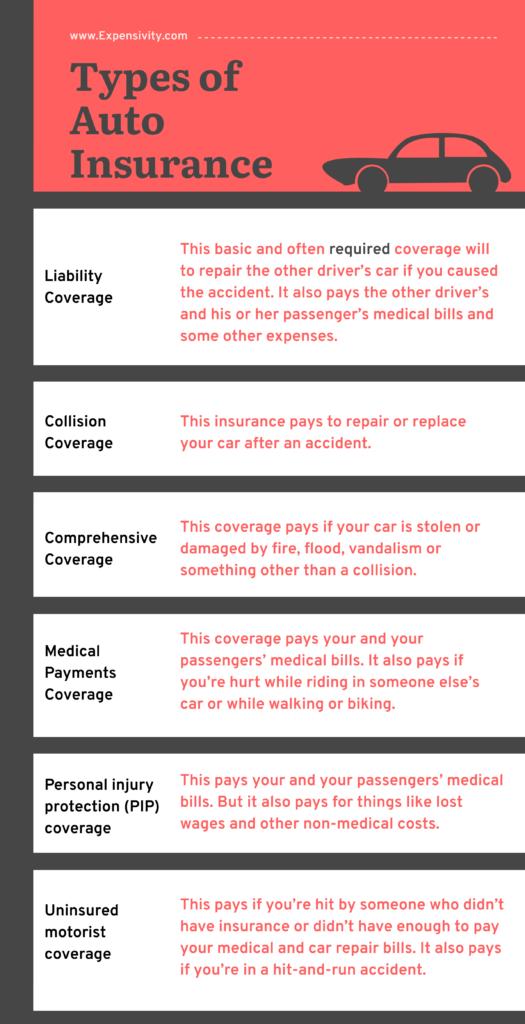
  1. Liability Coverage: This component provides financial protection if the insured is found legally responsible for causing bodily injury or property damage to others in a car accident. It typically includes coverage for medical expenses, legal fees, and property damage claims filed by third parties.
    Collision Coverage: Collision coverage reimburses the insured for damage to their own vehicle resulting from a collision with another vehicle or object, regardless of fault. It helps cover repair costs or, if the vehicle is totaled, the actual cash value (ACV) of the vehicle.
    Comprehensive Coverage: Comprehensive coverage protects against non-collision incidents, such as theft, vandalism, fire, natural disasters, or hitting an animal. It covers the cost of repairing or replacing the insured vehicle, up to its ACV, minus any deductible.
    Uninsured/Underinsured Motorist Coverage: This coverage protects the insured if they are involved in an accident caused by a driver who either has no insurance (uninsured) or insufficient insurance to cover the damages (underinsured). It can help pay for medical expenses, lost wages, and property damage.
    Medical Payments Coverage (MedPay): MedPay covers medical expenses for the insured driver and passengers injured in a car accident, regardless of fault. It can help pay for hospital bills, doctor visits, and related healthcare costs.
    Personal Injury Protection (PIP): PIP is similar to MedPay but provides broader coverage, including medical expenses, lost wages, and other related costs. It is typically mandatory in no-fault insurance states and may cover additional expenses such as rehabilitation services and funeral expenses.
    Rental Reimbursement: Rental reimbursement coverage pays for the cost of renting a replacement vehicle while the insured's car is being repaired due to a covered loss.
    Towing and Labor Coverage: This optional coverage reimburses the insured for expenses related to towing their vehicle to a repair facility and covers certain labor costs, such as changing a flat tire or jump-starting a dead battery.

Auto insurance coverage limits and premiums can vary depending on factors such as the insured vehicle's make and model, driving history, location, and coverage selections. It is essential for drivers to understand their policy's terms, conditions, and exclusions to ensure adequate protection and compliance with legal requirements.

Why is Auto Insurance Important?

Auto insurance helps pay for damage if you have a car accident. It can also cover theft, fire, or other damages. It's important to have the right coverage to save money and be safe.

Types of Auto Insurance Coverage

There are several types of coverage. Each one protects you in different ways. Here's a simple table to understand them better:

Type of Coverage What It Does Is It Required?
Liability Coverage Pays for damage you cause to others. Yes, in most states.
Collision Coverage Pays for damage to your car from a crash. No, but often recommended.
Comprehensive Coverage Pays for damage not from a crash. Like theft or storms. No, but often recommended.
Personal Injury Protection (PIP) Pays for medical bills for you and passengers. Yes, in some states.
Uninsured/Underinsured Motorist Protection Pays when the other driver has no or little insurance. Yes, in some states.
Auto Insurance Coverage Options: Unlock Your Ideal Plan!

Credit: www.marketwatch.com

Choosing the Right Coverage for You

It's important to pick the right coverage for your needs. Here are steps to choose wisely:

  • Know Your State's Requirements: Some coverage is a must. Check what your state says you need.
  • Think About Your Car's Value: If your car is new or expensive, consider more coverage.
  • Consider Your Budget: More coverage usually means higher costs. Pick what you can afford.
  • Assess Your Risk: If you drive a lot, you might want more protection.


Common Questions About Auto Insurance Coverage

People often ask these questions:

  • Do I need collision and comprehensive coverage? If you have a loan on your car, your lender may require them. Otherwise, it's your choice.
  • What if I can't afford much coverage? Get at least the minimum required by your state. Then add more coverage as you can afford it.
  • Can I change my coverage later? Yes, you can usually update your policy if your needs change.
Auto Insurance Coverage Options: Unlock Your Ideal Plan!

Credit: www.expensivity.com

Frequently Asked Questions

What Determines Auto Insurance Rates?

Your auto insurance rates are influenced by factors such as age, driving record, vehicle type, location, and coverage amount.

Is Liability Coverage Mandatory?

Yes, liability coverage is typically mandatory as it covers damages you may cause to others.

Can I Get Insurance With Bad Credit?

Insurance providers may still offer coverage, but expect higher premiums if you have bad credit.

What Is Comprehensive Coverage?

Comprehensive coverage protects against non-collision incidents, like theft, vandalism, or natural disasters.

Conclusion

Choosing the right auto insurance coverage is a big decision. Take your time to understand your options. Talk to an insurance agent if you need help. Remember, the best policy is one that offers peace of mind and protects your wallet. Thanks for read the post. Hope you have realized the thinking about auto insurance coverage. 

Overview of Insurance Company In USA

 Navigating the World of Insurance Companies in the USA: A Comprehensive Overview

Insurance is most important part of a mans life. In different kind of situation a people may need insurance. Lets see Overview of Insurance Company In USA.


Insurance plays a pivotal role in safeguarding individuals, businesses, and assets against unforeseen risks and uncertainties. In the United States, a vast array of insurance companies offer an extensive range of coverage options tailored to diverse needs and preferences. From auto and home insurance to health and life insurance, navigating this landscape can be both daunting and essential. Let's delve into the intricacies of insurance companies in the USA to understand their significance, offerings, and how they impact consumers and businesses alike.

The Role of Insurance Companies

Insurance companies serve as risk management entities that provide financial protection against potential losses. By pooling premiums from policyholders, insurers create a reserve fund from which they can compensate those who experience covered losses. This mechanism not only provides individuals and businesses with peace of mind but also fosters economic stability by mitigating the impact of unexpected events.

Moreover, insurance companies play a vital role in promoting responsible behavior and risk mitigation. Through underwriting processes, insurers assess risks associated with potential policyholders and determine appropriate premiums based on factors such as age, health status, driving history, and property condition. This incentivizes individuals and businesses to adopt prudent practices and maintain safe environments, ultimately reducing the frequency and severity of claims.

Types of Insurance Offered

In the USA, insurance companies offer a diverse array of coverage options tailored to different aspects of life and business operations. Some of the most common types of insurance include:

  1. Auto Insurance: Designed to protect vehicles and drivers against financial losses resulting from accidents, theft, or liability claims. Auto insurance policies typically include coverage for bodily injury liability, property damage liability, collision, comprehensive, and uninsured/underinsured motorist protection.

  2. Home Insurance: Provides financial protection for homeowners against losses or damages to their property and belongings. Home insurance policies typically cover dwelling coverage, personal property coverage, liability protection, and additional living expenses in the event of a covered loss.

  3. Health Insurance: Offers coverage for medical expenses and healthcare services, including doctor visits, hospitalization, prescription drugs, and preventive care. Health insurance plans may be obtained through employers, government programs (such as Medicare and Medicaid), or individual marketplaces.

  4. Life Insurance: Provides a financial safety net for loved ones in the event of the policyholder's death. Life insurance policies pay out a death benefit to designated beneficiaries, helping to cover funeral expenses, outstanding debts, mortgage payments, and other financial obligations.

  5. Business Insurance: Offers various types of coverage to protect businesses against losses stemming from property damage, liability claims, professional errors, employee injuries, and other risks. Business insurance policies may include general liability, commercial property, professional liability (errors and omissions), workers' compensation, and business interruption insurance.

Choosing an Insurance Company: Factors to Consider

When selecting an insurance company, consumers and businesses should consider several factors to ensure they receive adequate coverage and reliable service:

  1. Financial Stability: Evaluate the financial strength and stability of the insurance company by reviewing ratings from independent rating agencies such as A.M. Best, Standard & Poor's, and Moody's. A financially stable insurer is better equipped to fulfill its obligations and pay claims promptly.

  2. Coverage Options: Assess the range of coverage options offered by the insurance company and determine whether they align with your specific needs and preferences. Look for customizable policies that allow you to tailor coverage limits, deductibles, and endorsements to suit your requirements.

  3. Customer Service: Research the insurer's reputation for customer service, claims handling, and responsiveness. Read reviews from policyholders and seek recommendations from friends, family, or industry professionals to gauge the insurer's track record in delivering satisfactory service.

  4. Price and Value: Compare premiums, deductibles, and coverage limits from multiple insurance companies to ensure you're getting the best value for your money. Consider factors such as discounts, bundling options, and loyalty rewards programs that can help lower your overall insurance costs.

  5. Claims Process: Evaluate the insurer's claims process, including the ease of filing a claim, the speed of claims settlement, and the availability of online tools or mobile apps for managing claims remotely. A streamlined claims experience can alleviate stress and expedite the resolution of covered losses.

Regulation and Oversight

Insurance companies in the USA are subject to regulation and oversight at both the state and federal levels to ensure solvency, consumer protection, and compliance with applicable laws and regulations. Each state has its own insurance department responsible for licensing insurers, reviewing rate filings, investigating consumer complaints, and enforcing insurance laws within its jurisdiction. Additionally, federal entities such as the National Association of Insurance Commissioners (NAIC) provide guidance, standardization, and coordination among state regulators to promote uniformity and consistency in insurance regulation nationwide.

Conclusion: Navigating the Insurance Landscape

In conclusion, insurance companies in the USA play a critical role in providing financial protection and risk management solutions for individuals, businesses, and communities. By offering a diverse range of coverage options, insurers help mitigate the impact of unexpected events and promote economic resilience. When selecting an insurance company, it's essential to consider factors such as financial stability, coverage options, customer service, price, and claims process to ensure you receive reliable coverage that meets your needs. With careful consideration and informed decision-making, individuals and businesses can navigate the complex insurance landscape with confidence and peace of mind.

Overview of Mesothelioma Law Firm - Why You Choose Mesothelioma Law Firm

 What Is Mesothelioma Law Firm ?
Mesothelioma is a complicated disease and even more complex is the process of diagnosis, situation of disease, it can become quite a task for the lawyer. The disease is often diagnosed years or decades after the asbestos exposure which adds to the complexity of the case. Mesothelioma Law Firm can provide you the solution regarding such problem and critical conditions.

TOP 10 INSURANCE COMPANY IN THE WORLD

TOP 10 INSURANCE COMPANY IN THE WORLD  :

1) AXA
With over 102 million customers in 56 countries and an employee base of 157,000, AXA is one of the world's leading insurance groups. Its main businesses are property and casualty insurance, life insurance, saving and asset management. Its origin goes back to 1817 when several insurance companies merged to create AXA. The head quartered of this company in Paris and has a presence across Africa, North America, Central and South America, Asia Pacific, Europe and the Middle East. 

Ghurnijor roanu is coming

Ghurnijhor ruani is coming near beach area in chittagong. It will come at evening. Allready  destroy coxbazar moheskhali baskhali sondip rural area. 6 people died.

Global Insurance Opportunity can save your life

Global Insurance Opportunity can save your life :

In the world there are many kinds of peoples are available who are interested to save their life by make a secured insurance. But perfect insurance company we are unable to get. In European country some global insurance company are available. 

Watch Why You Choose Mesothelioma Law Firm ???